
 we're online
Do Neon Signs Use a Lot of Electricity?
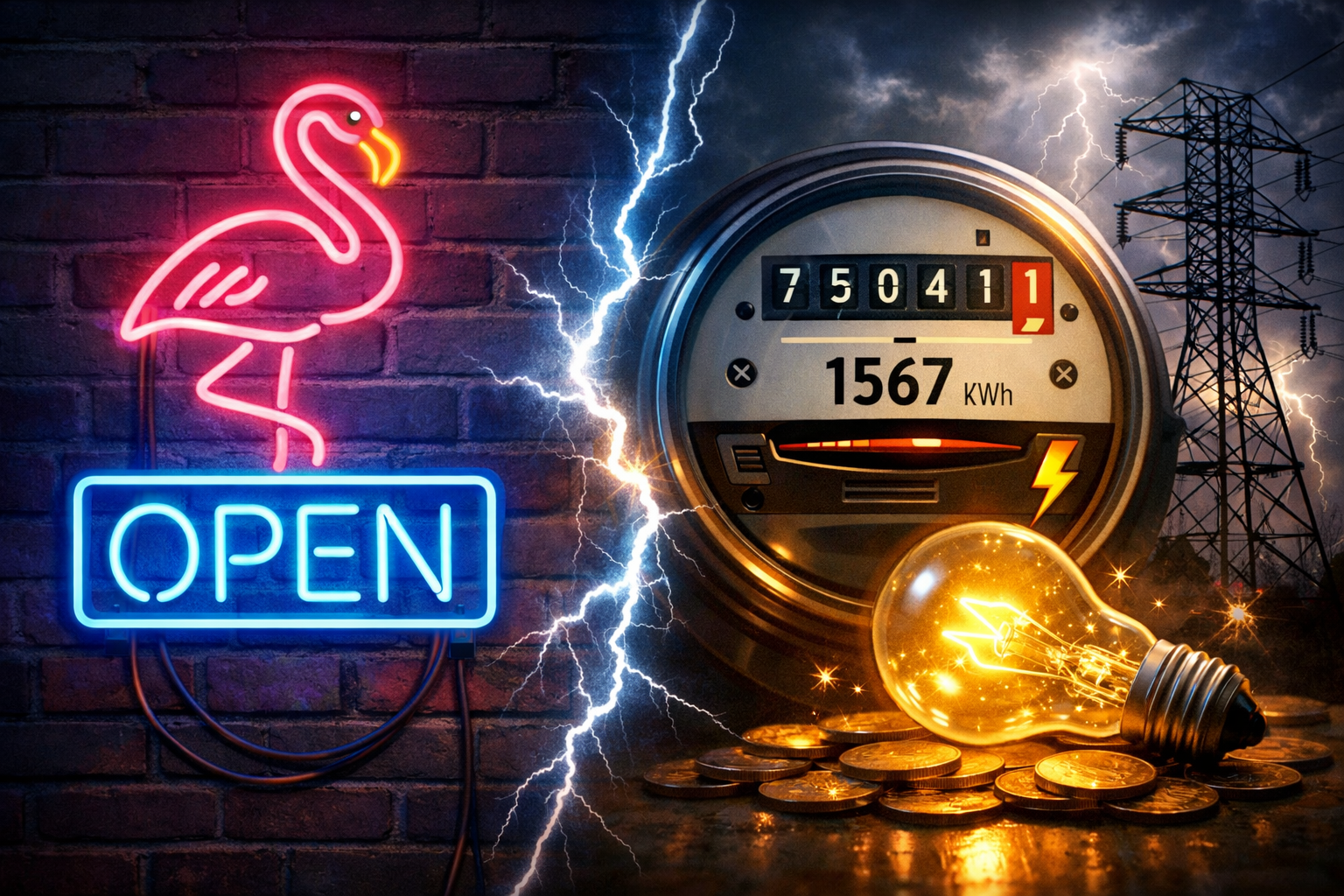
Neon signs look bright, bold, and impossible to ignore. That glow makes many people wonder: do neon signs use a lot of electricity? The good news is that most modern neon signs, especially custom neon signs made with LED technology, are surprisingly energy-efficient.
If you are planning to buy personalized neon signs for your home, wedding, or business, knowing the real neon sign power usage helps you make smarter choices. This guide breaks down how much electricity neon signs consume, what impacts power usage, and what it costs to run them daily.
Quick Answer: Do Neon Signs Use a Lot of Electricity?
Most modern neon signs do not use a lot of electricity.
- A typical custom neon sign (LED) uses 30 to 80 watts
- That is similar to a few light bulbs or a laptop charger
- Running it for 5 hours a day often costs less than ₹10 to ₹20 per day in many regions (depending on electricity rates)
Traditional glass neon uses more power than LED neon. But today’s custom neon signs are mainly LED-based, which keeps consumption low.
Neon Sign Power Usage: What Counts as “A Lot”?
Electricity usage depends on two things:
1. Wattage (power draw)
2. Hours used per day
Power usage is measured in kilowatt-hours (kWh).
This is the same unit used on your electricity bill.
To calculate cost:
Wattage ÷ 1000 × hours used = kWh used, then multiply by your electricity rate. So if a neon sign is 60W and runs for 5 hours: 60 ÷ 1000 × 5 = 0.3 kWh
That is a small amount compared to appliances like AC, geysers, or ovens.

How Much Electricity Do Neon Signs Use per Day?
Let’s look at real examples using typical LED neon wattage.
Example 1: Small Personalized Neon Sign (30W)
• 30W ÷ 1000 × 5 hours = 0.15 kWh per day
Example 2: Medium Custom Neon Sign (60W)
• 60W ÷ 1000 × 5 hours = 0.30 kWh per day
Example 3: Large Neon Sign (100W)
• 100W ÷ 1000 × 5 hours = 0.50 kWh per day
Even large neon signs do not consume a huge amount of electricity unless you run them all day.
Cost to Run Neon Signs: Daily, Monthly, and Yearly
The cost depends on your local electricity rate. For easy understanding, here is a sample estimate using a common power rate example.
If You Run a 60W Neon Sign for 5 Hours a Day:
- Daily usage: 0.30 kWh
- Monthly usage: 0.30 × 30 = 9 kWh
- Yearly usage: 9 × 12 = 108 kWh
If your power rate is ₹8 per kWh:
- Monthly cost: 9 × ₹8 = ₹72
- Yearly cost: 108 × ₹8 = ₹864
That means your neon sign can cost less than the price of one restaurant meal each month. So no, neon signs use a lot of electricity is usually a myth when you are talking about LED neon.
LED Neon vs Traditional Glass Neon: Which Uses More Power?
Many people still imagine old-school glass tube neon when they think about neon signs. Traditional neon uses higher voltage and tends to draw more power.
Traditional Glass Neon Signs
Higher power consumption
- Uses gas-filled glass tubes
- Needs a transformer
- More fragile
- Runs hotter
Modern LED Neon Signs (Most Common Today)
- Lower power usage
- Safer and cooler to touch
- No gas, no fragile glass tubes
- Works well for indoor use and events
- Easy to install
Most custom neon signs today are LED-based, which makes them much more energy-friendly.

What Affects Neon Sign Power Usage?
Not all neon signs consume the same amount. Here are the key factors that change neon sign power usage:
1. Size of the Sign
Bigger sign = more LED tubing = more wattage.
A small 12-inch sign may be 20–30W.
A large 48-inch sign can be 80–120W.
2. Design Complexity
More curves, more letters, more lines = more LED length.
A single word sign consumes less than a logo or a multi-line quote.
3. Brightness Level
Many neon signs include dimmers. At lower brightness, power usage drops.
4. Color Selection
Some colors can draw slightly more power depending on LED type. The difference is not huge, but it exists.
5. Indoor vs Outdoor Use
Outdoor signs may use stronger builds and brighter lighting to stay visible in sunlight. That can increase wattage.
6. How Long You Keep It On
A neon sign running 3 hours a day costs very little.
A neon sign running 15 hours daily costs much more.
Do Neon Signs Use More Power Than LED Bulbs?
This is one of the most common comparisons. A standard LED bulb uses about 8 to 12 watts.
So:
- A small neon sign (30W) = roughly 3 LED bulbs
- A medium sign (60W) = roughly 6 LED bulbs
- A large sign (100W) = roughly 10 LED bulbs
That is still very manageable for most homes and businesses.
Are Neon Signs Expensive to Run for Businesses?
For shops, cafes, salons, and studios, neon signs online are often used for branding and visibility. But running costs are still manageable.
Example: 100W Neon Sign Running 10 Hours Daily
100 ÷ 1000 × 10 = 1 kWh per day
Monthly: 30 kWh
If power rate is ₹8 per kWh:
Monthly cost: 30 × ₹8 = ₹240
For most businesses, that is a reasonable cost for the marketing value and visibility neon provides.

Can You Reduce Neon Sign Power Usage?
Yes, and it is easy. If you want the glow without worrying about bills, follow these tips:
1. Use a Dimmer
Running your sign at 60% brightness cuts energy use and makes the glow softer in photos.
2. Turn It Off When Not Needed
Use it during peak hours, evenings, or when customers are around.
3. Choose the Right Size
Avoid ordering a sign larger than your space. Oversized neon increases both upfront cost and electricity usage.
4. Avoid Overly Detailed Designs
A clean design uses fewer LED strips, which reduces neon sign power usage.
5. Use a Timer Plug
A timer automatically turns the sign off at night. Great for bedrooms and retail stores.
Are Personalized Neon Signs Safe to Use for Long Hours?
Modern personalized neon signs are designed to be safe for long use.
Most LED neon signs:
- stay cool
- use low voltage adapters
- are safe for indoor environments
- do not release gases or fumes
Still, always:
- avoid covering the sign while it is on
- use the provided adapter
- install it properly
- keep it away from heavy moisture unless it is waterproof-rated
How Long Can You Leave Neon Signs On?
You can keep LED neon signs on for many hours, but for better lifespan:
- Use it 4 to 8 hours daily for home decor
- Use it 8 to 12 hours daily for businesses
- Turn it off when not required
The average LED neon lifespan is usually 30,000 to 50,000 hours, so daily use is not an issue when maintained properly.
Neon Signs Online: What to Check Before You Buy (Power-Saving Checklist)
If you are buying neon signs online, check these details:
✅ Wattage rating
✅ Adapter type and voltage
✅ Dimmer option included or not
✅ Indoor or outdoor rating
✅ Safety certifications
✅ LED neon vs glass neon
✅ Warranty and support
These checks make sure you get a bright sign with low electricity usage.

FAQs: Do Neon Signs Use a Lot of Electricity?
1) Do neon signs use a lot of electricity at home?
Most modern LED neon signs do not use a lot of electricity. A medium sign can cost very little to run daily, especially if used for a few hours.
2) What is typical neon sign power usage?
Most custom neon signs use around 30 to 80 watts. Larger signs can use 100W or more, depending on design and brightness.
3) Are custom neon signs cheaper to run than glass neon?
Yes. LED custom neon signs usually consume less power and generate less heat than traditional glass neon.
4) How much does it cost to run a neon sign all day?
If a 60W sign runs 24 hours:
60 ÷ 1000 × 24 = 1.44 kWh per day
Monthly cost depends on your electricity rate. Using a timer plug can reduce unnecessary usage.
5) Can neon signs increase electricity bills a lot?
Only if you run a very large sign for long hours daily. For most home users, neon signs add a small amount to the monthly bill.
6) Do personalized neon signs use more electricity?
Not necessarily. Personalized neon signs can be small or medium, so the power usage depends on size and design, not personalization.
7) Is it safe to keep neon signs on overnight?
LED neon signs are generally safe, but it is better to use a timer or turn them off when sleeping to save power and extend lifespan.
Final Thoughts: Are Neon Signs Energy Efficient?
If you were worried about power usage, you can relax. For most LED custom neon signs, electricity consumption is low and monthly cost stays affordable. The glow feels dramatic, but the energy use is not.
If you want a smart setup, choose LED, add a dimmer, and use a timer plug. Your neon will stay bright without adding a heavy burden to your bill.
Get 25% OFF on All ProductsCode:NEON25View Offers!
Neon Collection50% OFF