
 we're online
Static vs RGB vs RGB Gradient Neon Signs: Which Is Best?
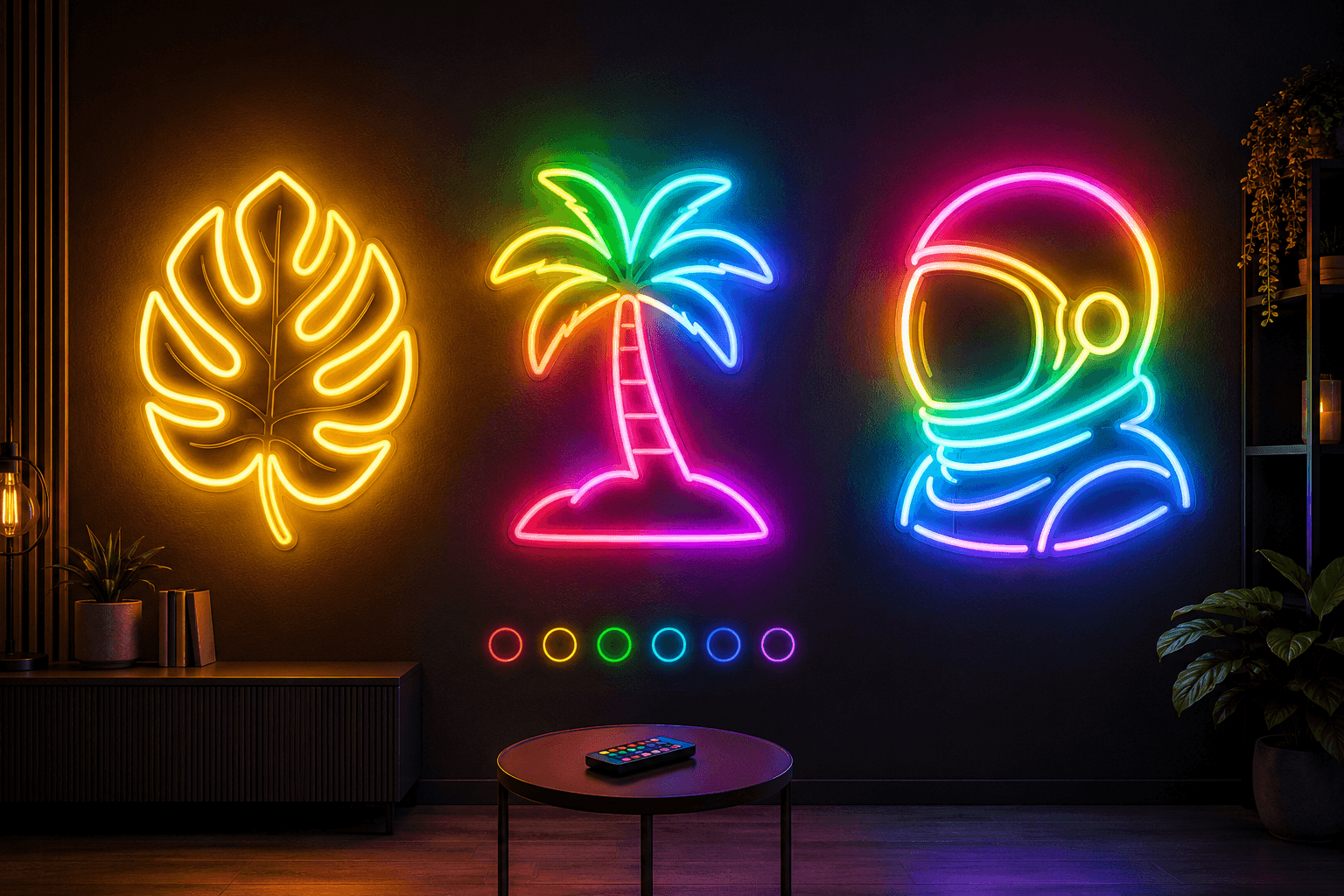
Choosing between static, RGB, and RGB Gradient lighting depends on how the sign will be used. A static sign provides one consistent color, RGB offers several selectable colors, and RGB Gradient adds a wider color range with animated transitions and effects. All three are built using the same core technology — for a deeper look at why LED has replaced older gas-filled tubing altogether, see our comparison of compare LED neon and glass neon.
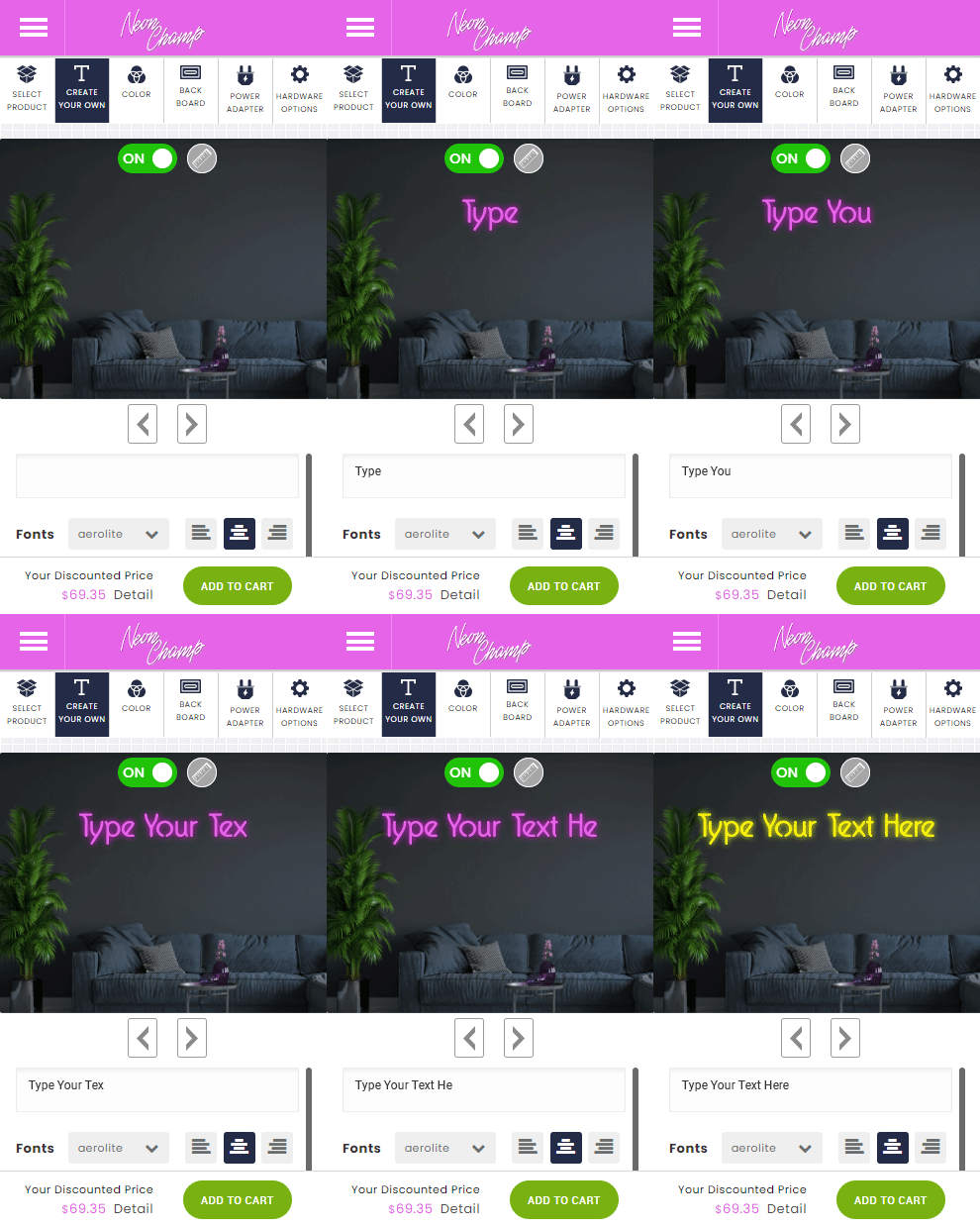
The best option is not always the one with the most features. A business logo may need a reliable brand color, whereas a gaming room or event display may benefit from color changes. NeonChamp offers all three choices for its custom-made neon signs through its online neon sign designer.
What Is a Static Neon Sign?
A static sign uses a fixed light color. The selected color remains the same whenever the sign is turned on, although a dimmer may allow brightness adjustment.
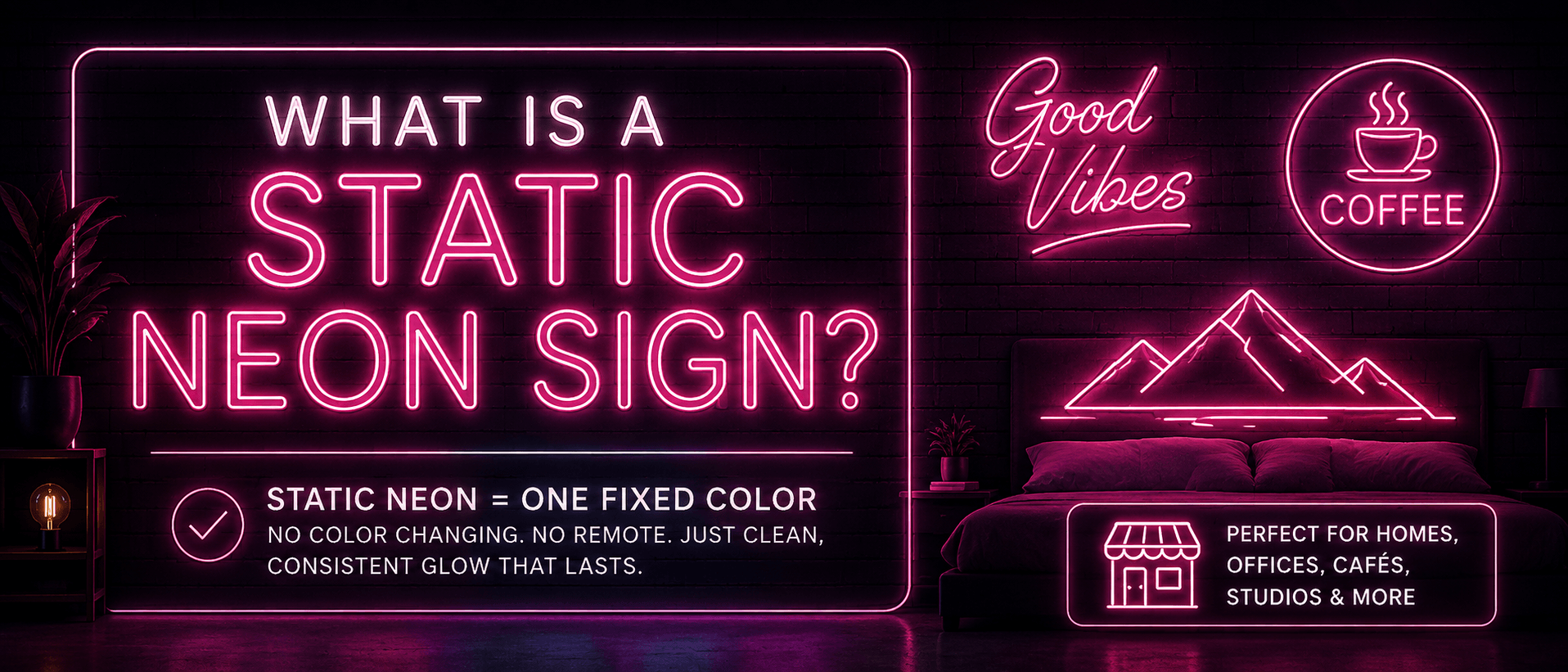
Static custom neon signs are suited to designs that need a consistent identity. A business may choose its main brand shade, and a homeowner may select one color that complements the room.
A static design can use one color or different fixed colors for individual elements. The colors do not cycle.
When Should You Choose Static Lighting?
Static lighting works well when a sign must match a brand color, coordinate with fixed decor, or keep attention on the wording. It's a strong fit for:
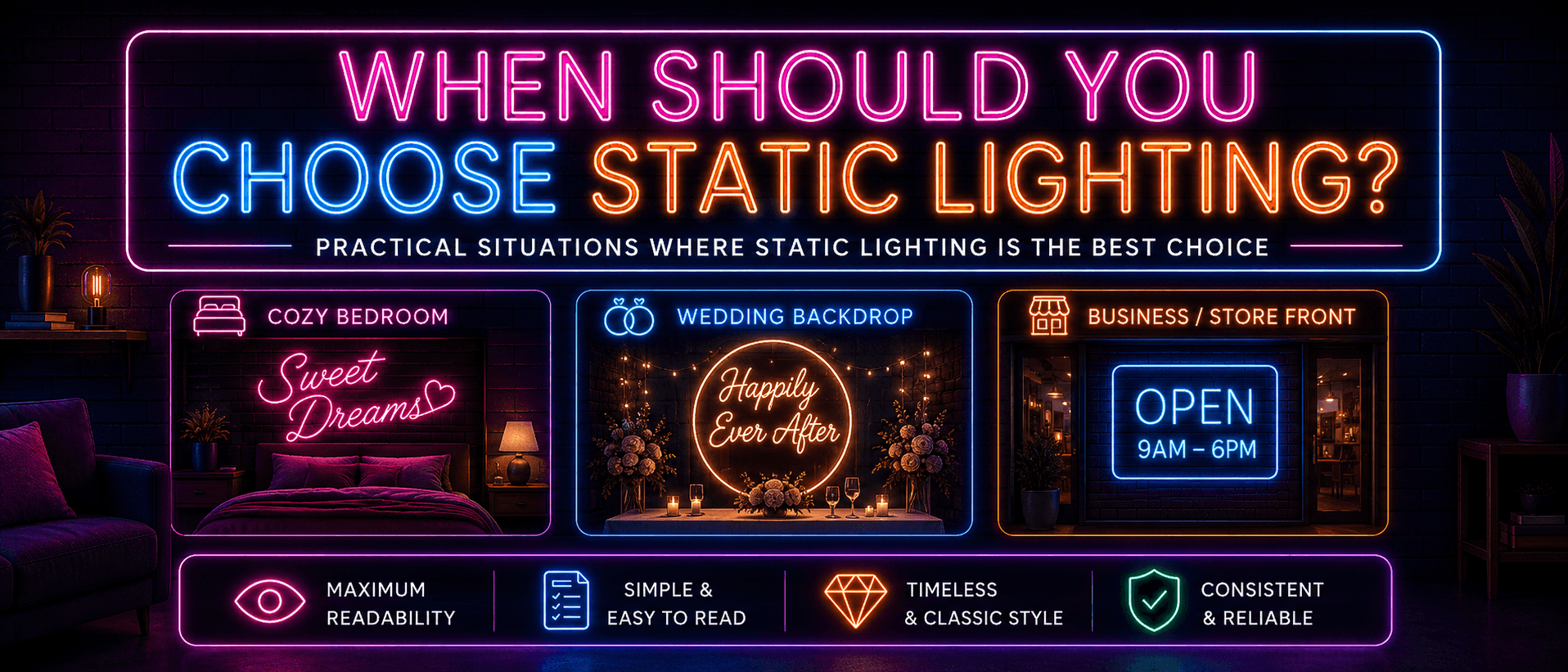
- neon logo signs that need to match a fixed brand color
- Reception areas and open signs — see our explore outdoor LED open sign ideas guide
- Any space where the display needs to stay identical every day
What Is an RGB Neon Sign?
RGB lighting combines red, green, and blue light to produce multiple selectable colors. NeonChamp's RGB option provides seven colors: red, green, blue, ice blue, white, purple, and yellow.
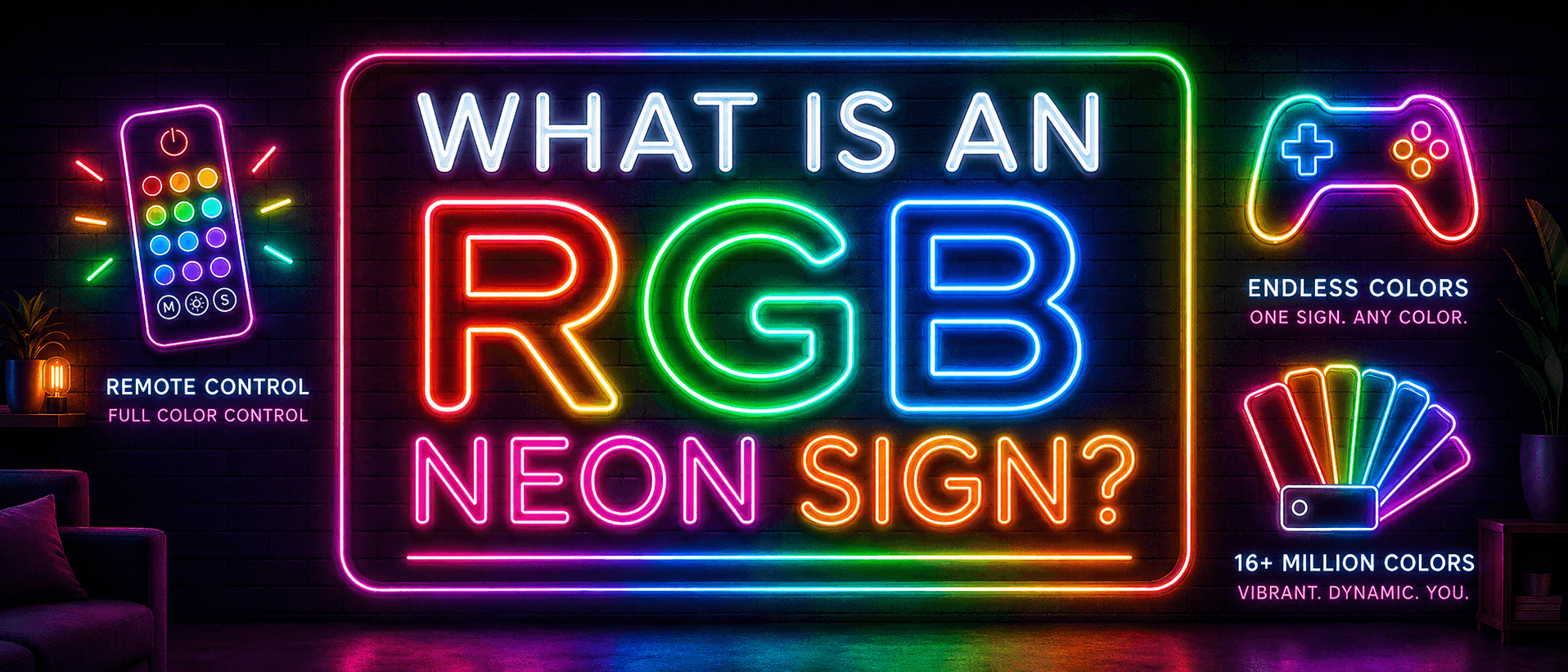
The user can switch between available shades or select one color and keep it fixed. This gives RGB personalized neon signs more flexibility than static lighting without requiring constant animated effects.
RGB suits settings where the preferred color changes with the occasion, season, or activity — if you're weighing color options generally, our guide to pick the right neon light color can help narrow things down.
When Should You Choose RGB Lighting?
Choose RGB when several color choices are useful but a fixed color is still needed at times. It's a good fit for:
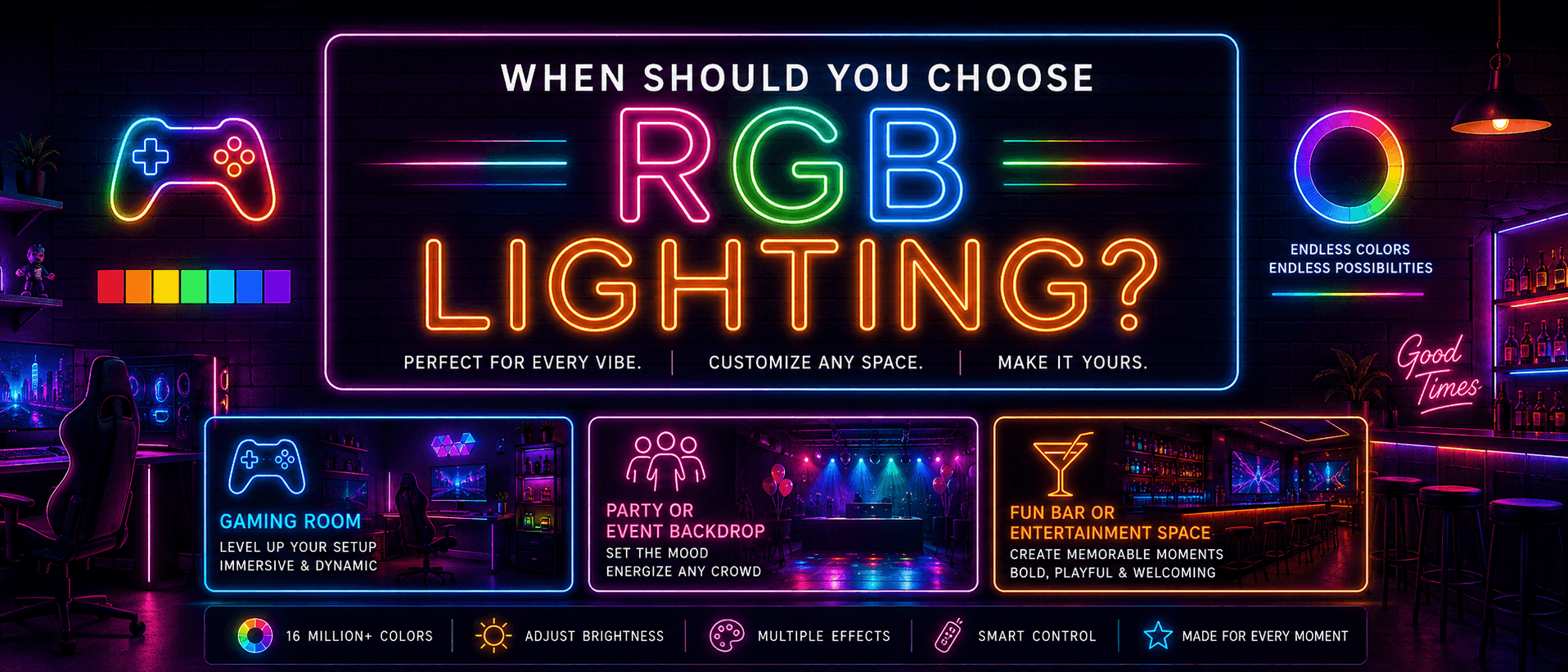
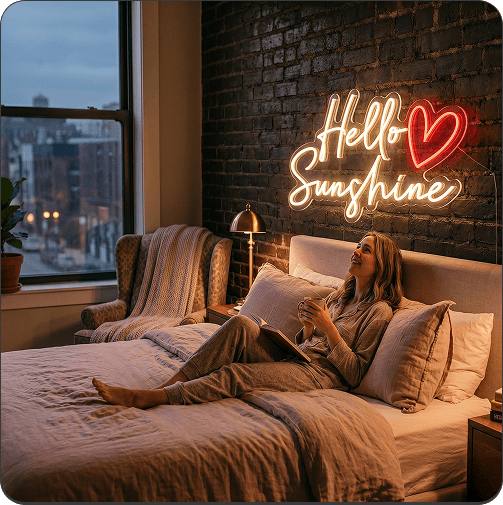
- bedroom neon lights where the mood changes by time of day
- gaming room neon signs that should match RGB desk setups
- Entertainment rooms and home bars used for different occasions
What Is an RGB Gradient Neon Sign?
RGB Gradient lighting offers a broader range of colors and moving effects. NeonChamp's current option includes more than 21 colors and over 100 effects, allowing colors to shift, fade, or transition across the sign.
The movement can add energy to stages, content walls, parties, and entertainment areas. Customers interested only in one permanent shade may not need these effects.
When Should You Choose RGB Gradient Lighting?
Choose RGB Gradient when animated transitions, changing event themes, or video backgrounds matter. It works well for:
- personalized event neon signs and stage decor
- DJ booths and gaming rooms built around active lighting
- Content-creation spaces where video backgrounds matter
Static vs RGB vs RGB Gradient: Main Differences
|
Factor |
Static |
RGB |
RGB Gradient |
|
Color Selection |
1 fixed color (or fixed multi-color per element) |
7 selectable colors |
21+ colors with smooth transitions |
|
Lighting Effects |
None — color never changes |
Switches and holds a chosen shade |
100+ animated effects and transitions |
|
Visual Style |
Keeps focus on the wording/logo |
Adds flexibility without constant motion |
Active, movement-driven display |
|
Ease of Selection |
Color locked in before ordering |
Adjustable anytime via remote |
Adjustable anytime, widest range |
|
Typical Price vs. Static |
Baseline |
Somewhat higher (adds a controller) |
Highest of the three |
|
Best For |
Brand signage, weddings, calm rooms |
Bedrooms, home bars, gaming rooms |
Events, stages, content creation |
Does Lighting Type Affect the Price?
Lighting type is one of several factors that affects final price, alongside size, color count, and design complexity. NeonChamp's custom neon signs start at $27.99, with most personalized signs falling between $150–$200 on the low end and $1,500–$2,000 for larger, more detailed designs — static, RGB, and RGB Gradient are all available within this range, with RGB and RGB Gradient generally priced higher than a static sign of the same size because both include an additional color controller. For a full breakdown, see check typical custom neon sign prices and see what can change the price of a neon sign.
The exact price difference between the three lighting modes depends on the sign's size and design, so it's shown live in the online design tool once you select your size and lighting option — this is the most accurate way to compare costs for your specific sign before ordering.
As a general rule: static remains the most budget-friendly choice at any size, RGB adds a moderate cost for multi-color flexibility, and RGB Gradient carries the highest cost of the three but is worth it mainly when animated effects will genuinely be used — for content creation, events, or venues with rotating themes.
Which Option Is Best for a Business?
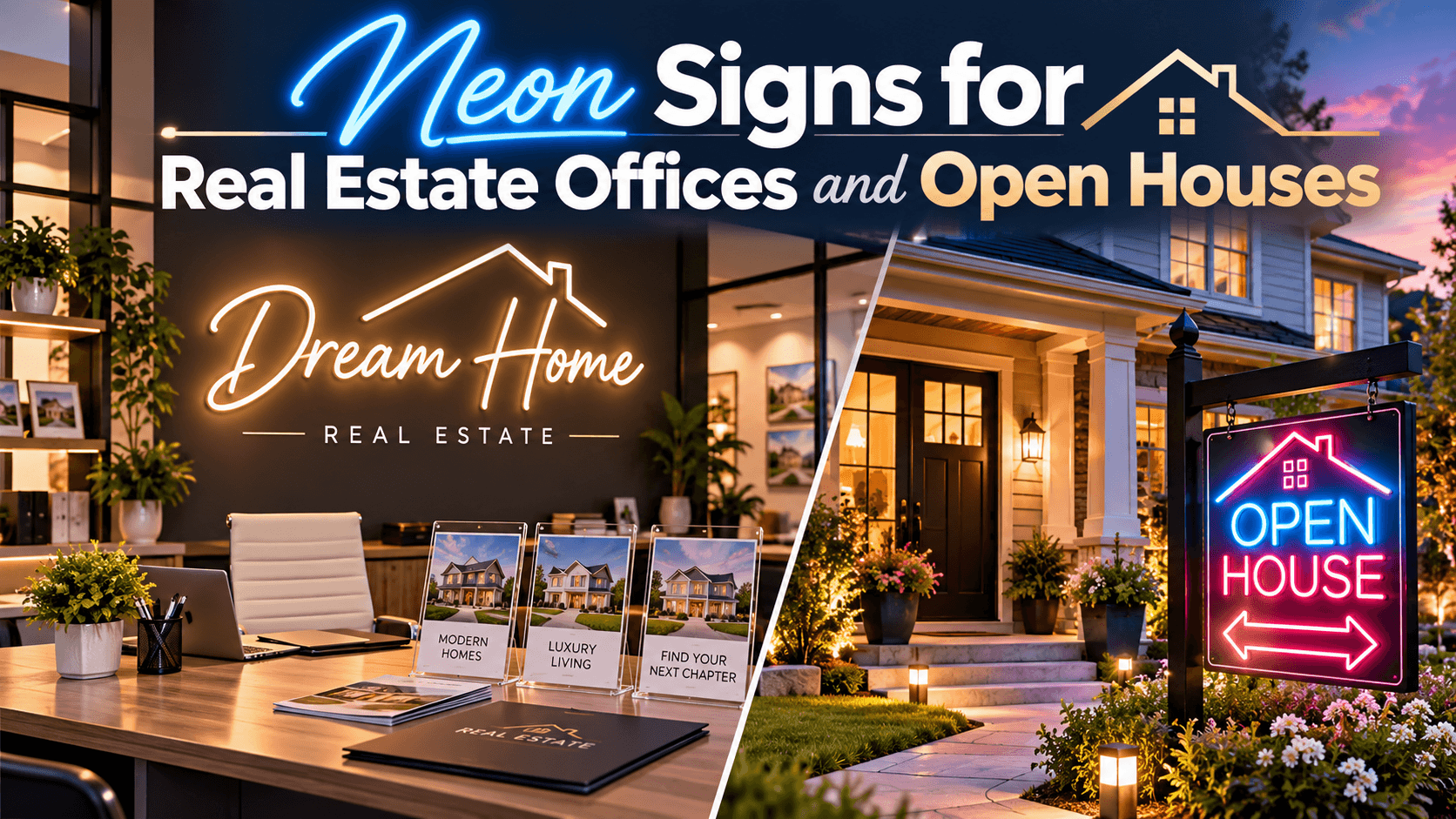
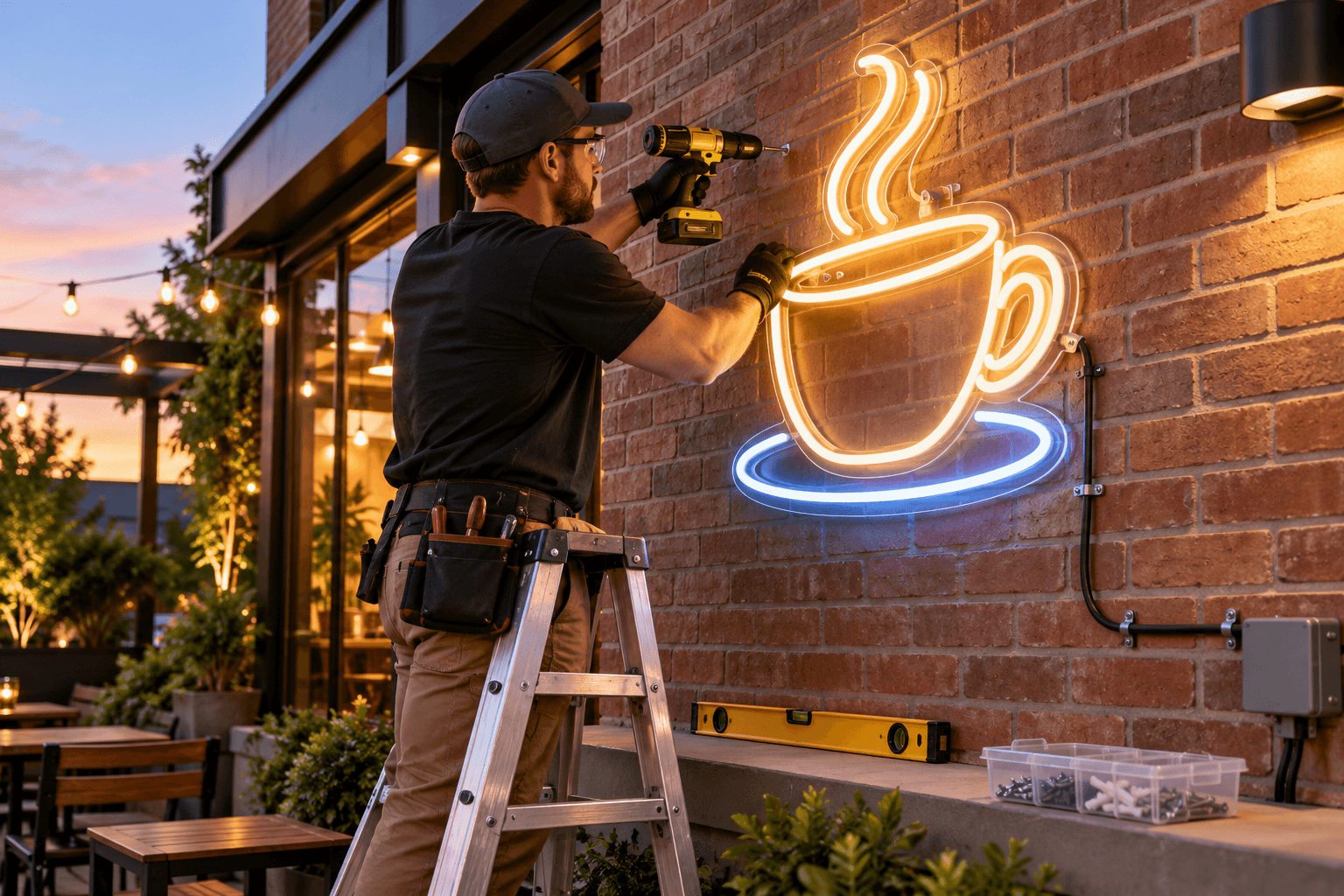
Static lighting is usually the strongest choice when brand consistency matters. business neon signs displayed in a storefront, office, or reception area should often use the company's established color.
RGB can adjust a venue for promotions or seasonal displays. neon signs for restaurants may use one shade during dinner and another for evening events. A neon signs for gyms sign could change color for classes or branded content, and salon neon lights often use the same approach to refresh a space for seasonal promotions.
RGB Gradient is useful when changing effects support the customer experience, such as in bars, clubs, and entertainment venues.
Which Option Is Best for Events and Weddings?
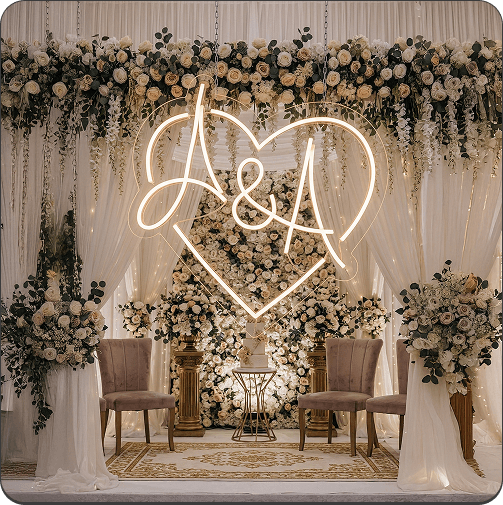
Static custom wedding neon signs provide a classic appearance that stays consistent in photographs. A warm white, pink, or another theme color can remain unchanged throughout the ceremony and reception — for more inspiration, browse our explore neon sign ideas for wedding receptions guide.
RGB allows planners to reuse a sign at events with different color schemes. RGB Gradient can add movement to parties, stage areas, and dance floors, but rapidly changing effects may compete with formal decor or photography.
A fixed color is easier to plan for photographs, and animated effects can be more useful for video.
Which Option Is Best for Home Use?
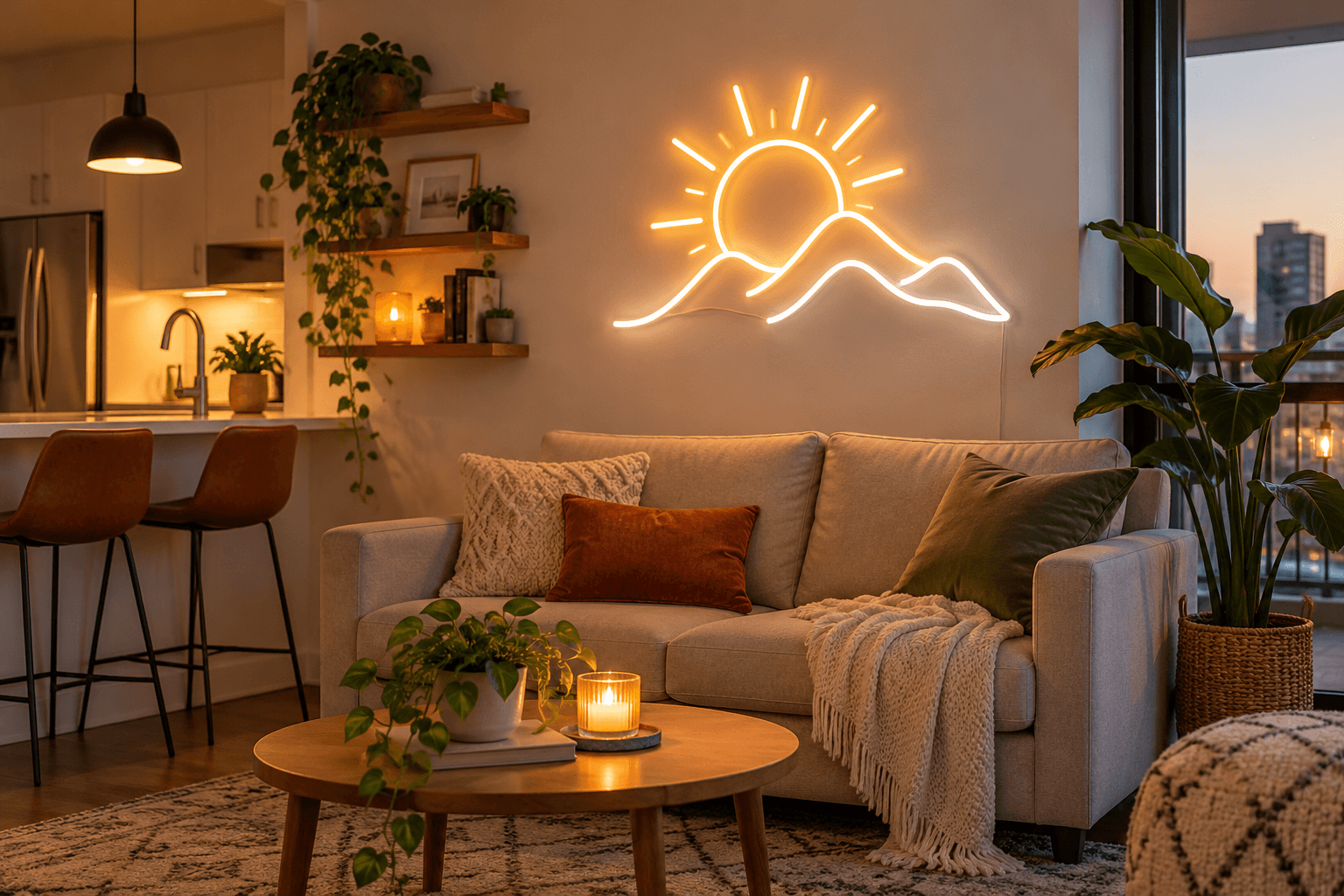
Static neon decor for your home suits rooms with established colors and a calm atmosphere. They are simple to coordinate with furniture, wall paint, and existing lighting.
RGB is useful when a room serves several purposes. Short motivational neon signs can change tone through color without changing their message.
RGB Gradient is best for homeowners who enjoy animated lighting or frequently record videos in the space. It may feel too active for rooms intended mainly for rest or focused work.
Does the Lighting Type Affect the Design?
Yes. A simple word or symbol can work with any of the three options, but highly detailed artwork may appear clearer with a controlled static color. Motion and multiple colors can draw attention away from fine lettering.
When ordering custom LED neon signs, consider the font, size, wall color, and viewing distance along with the lighting mode. Our guides on find the right neon sign size for your space and choose an easy-to-read neon sign font cover this in more detail, and if you're still deciding on the design itself, see how to choose between text, logo, and artwork designs.
Questions to Ask Before Buying
Before purchasing, work through this quick checklist:
- Does the sign need to match one fixed brand or theme color, or can it change?
- Will it stay in one place, or move between locations and events?
- Will it appear mainly in photos (favor a fixed color) or video (animated effects read better)?
- Does the added cost of RGB or RGB Gradient fit the budget for the extra flexibility it provides?
Our check what matters before ordering a neon sign guide covers the full list of details worth confirming, and once you're ready, you can make your own neon sign and compare colors, fonts, sizes, and lighting choices before ordering.
Frequently Asked Questions
Can an RGB Sign Stay on One Color?
Yes. The RGB option allows the user to select and hold one of its available colors instead of continually changing shades.
Are RGB and RGB Gradient the Same?
No. RGB provides seven selectable colors, whereas RGB Gradient offers more than 21 colors and over 100 changing effects.
Does choosing RGB or RGB Gradient increase the price?
Generally yes — both include an additional color controller that a static sign doesn't need, so they tend to cost somewhat more at the same size. NeonChamp's design tool shows the exact price for your chosen size, color, and lighting mode before you order.
Which Neon Sign Option Should You Buy?
Choose static lighting for consistent color, straightforward use, and the lowest price. Choose RGB for several selectable colors with the option to hold one shade at a moderate added cost. Choose RGB Gradient for a wide palette, animated transitions, and a more energetic display when the extra cost matches how often the effects will be used.
NeonChamp provides these lighting choices for neon signs used in homes, businesses, weddings, and events. The right purchase is the option whose features will be used regularly, not simply the option with the longest feature list.
Get 25% OFF on All ProductsCode:NEON25View Offers!
Neon Collection50% OFF