
 we're online
LED Neon vs. Fluorescent Signs: Which Is Better for Your Business?
LED Neon vs. Fluorescent Signs:
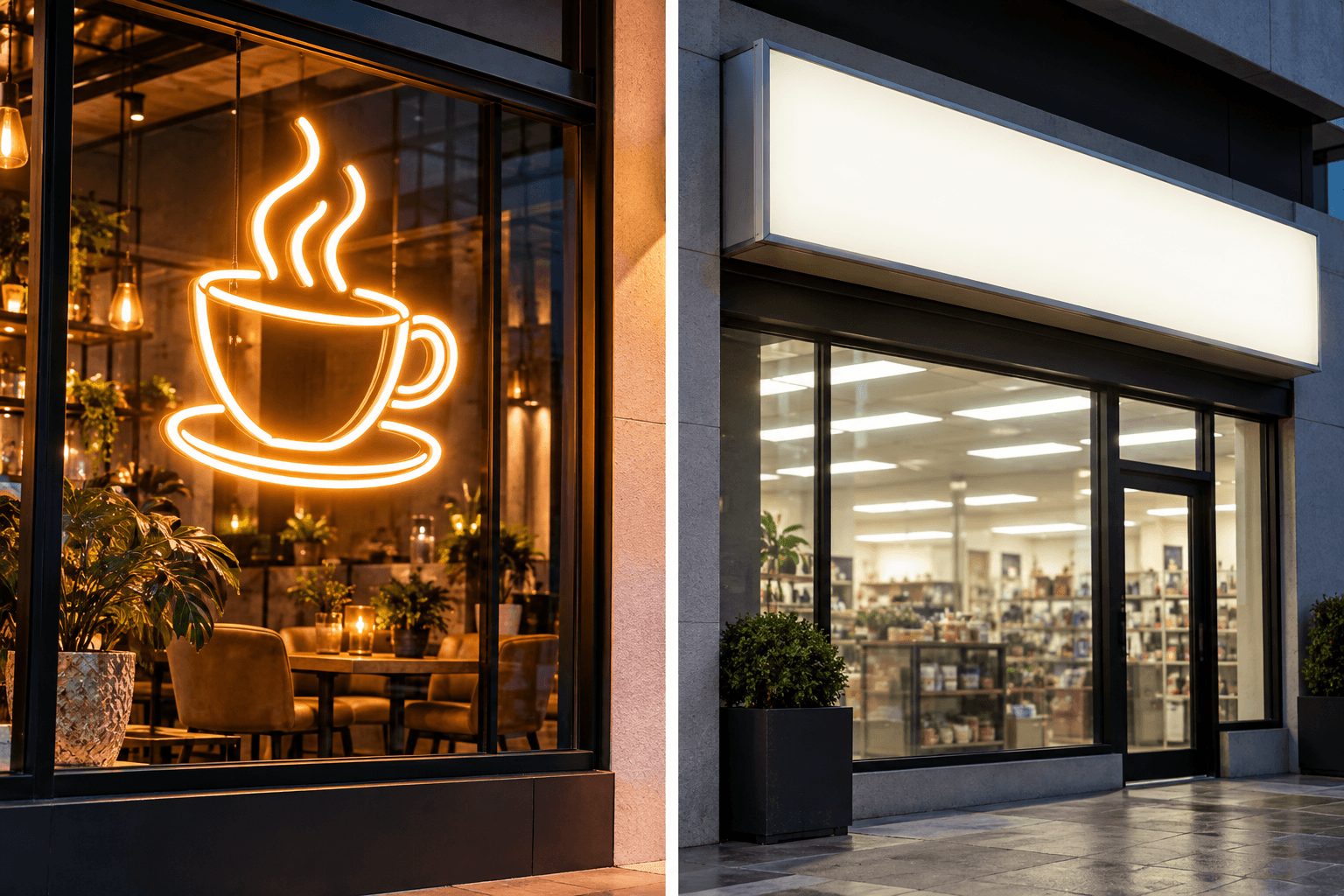
Choose LED neon when you want exposed glowing letters, outlines, custom shapes, logos, decorative branding, or a lightweight sign that may run for long hours. Choose fluorescent signage when you already have a serviceable lightbox cabinet or need even backlighting across a broad printed panel. The best choice depends on the sign format you need, not on the lighting technology alone.
This comparison focuses on practical buying questions: what customers will actually see, how the sign will be maintained, what it may cost to operate, and whether the design can be produced in the format you want. If you are also comparing LED neon with gas-filled glass tubing, see LED neon vs. traditional glass neon.
LED Neon vs. Fluorescent Signs at a Glance
|
Decision Factor |
LED Neon |
Fluorescent Signage |
|
Best visual format |
Exposed words, logos, outlines, icons, branded wall displays |
Broad internally lit panels, lightboxes, directories, menu boards |
|
Design flexibility |
High for curves, lettering, simplified logos, and custom shapes |
Best when light sits behind a printed or translucent face |
|
Typical lifespan |
Commonly rated around 30,000–50,000+ operating hours |
Often around 10,000–30,000 hours, depending on lamp and ballast |
|
Energy use |
Generally lower for comparable illumination |
Generally higher; ballast is also part of the system |
|
Maintenance |
Adapter/driver/controller may need replacement |
Lamp tubes and ballasts require periodic replacement |
|
Light distribution |
Concentrated illuminated lines |
Broad, even panel illumination |
|
Existing cabinet reuse |
Usually requires conversion or a new sign format |
Often practical when an existing fluorescent cabinet is still usable |
|
Mercury |
No mercury in the LED light source |
Fluorescent lamps contain mercury and require proper handling/recycling |
|
Buyer shortcut: If the design itself needs to glow, LED neon is usually the more natural fit. If a large printed face needs even illumination from behind, fluorescent signage may still make sense, especially when an existing cabinet can be reused. |
How Fluorescent Signage Works
Fluorescent signage usually uses straight glass lamps inside a metal or plastic cabinet. The lamps illuminate a printed or translucent sign face from behind. Customers see the graphic panel rather than the tubes themselves. A ballast regulates electrical current, so the cabinet must stay accessible for lamp and ballast replacement.

· Rectangular storefront lightboxes
· Backlit business directories
· Illuminated menu boards
· Wide advertising panels
· Existing cabinets that are still structurally sound
How LED Neon Signage Works
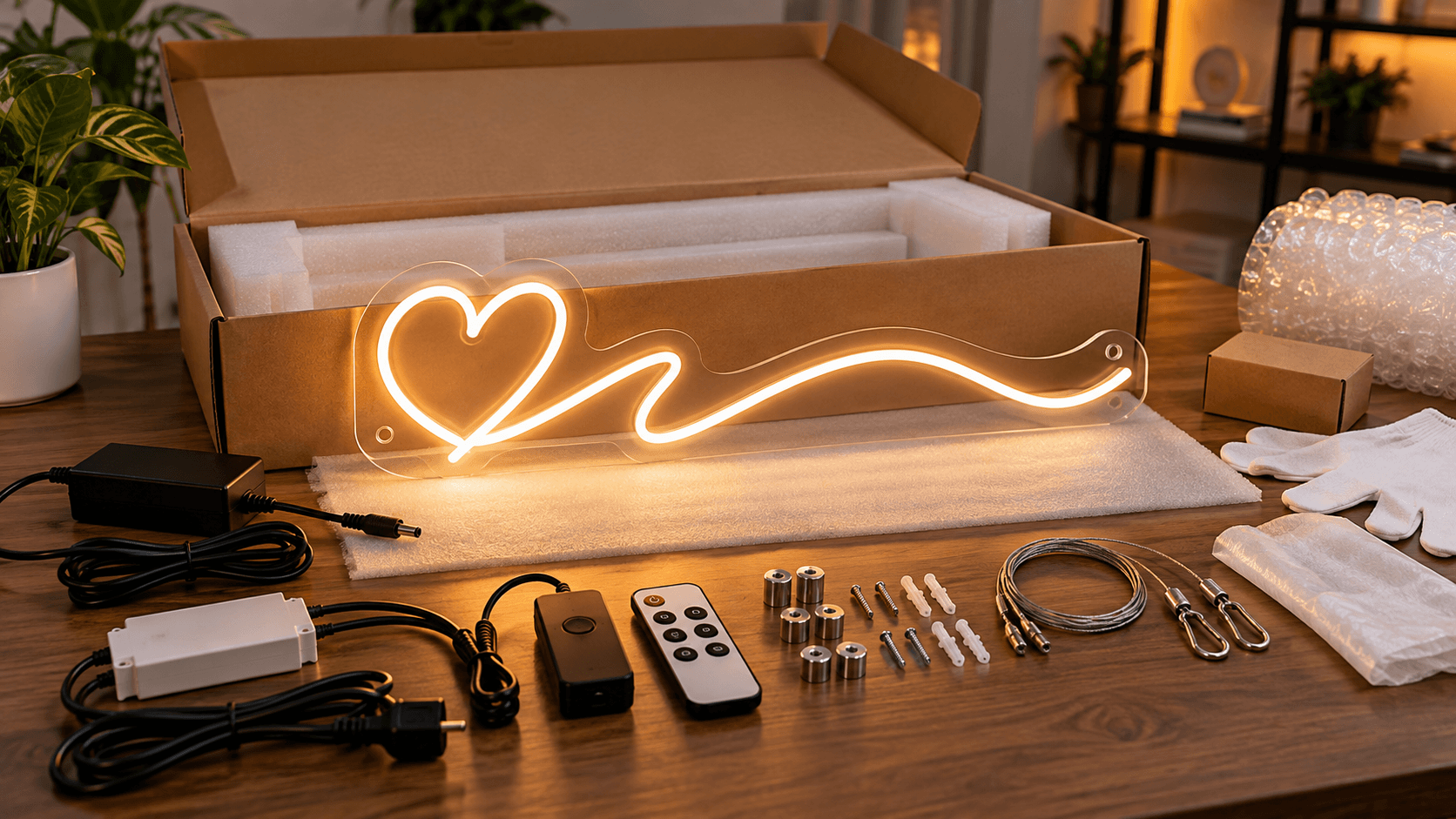
LED neon uses small light-emitting diodes inside flexible silicone or PVC tubing. The diffuser creates a continuous line of light, and the tubing can be shaped into letters, icons, outlines, and simplified logos. It is commonly mounted to an acrylic backboard and powered through a low-voltage adapter.

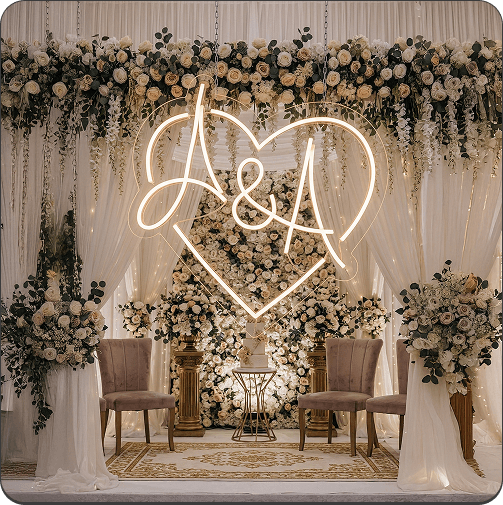
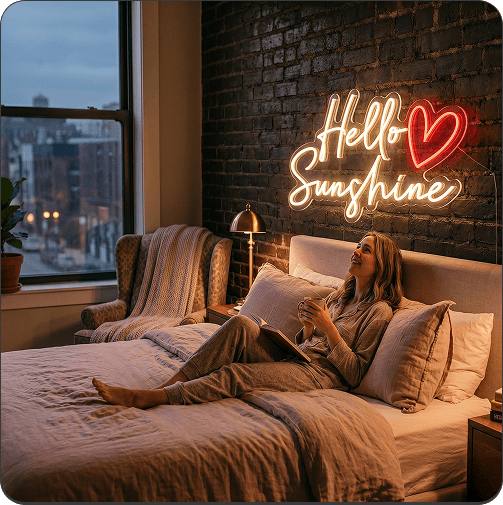
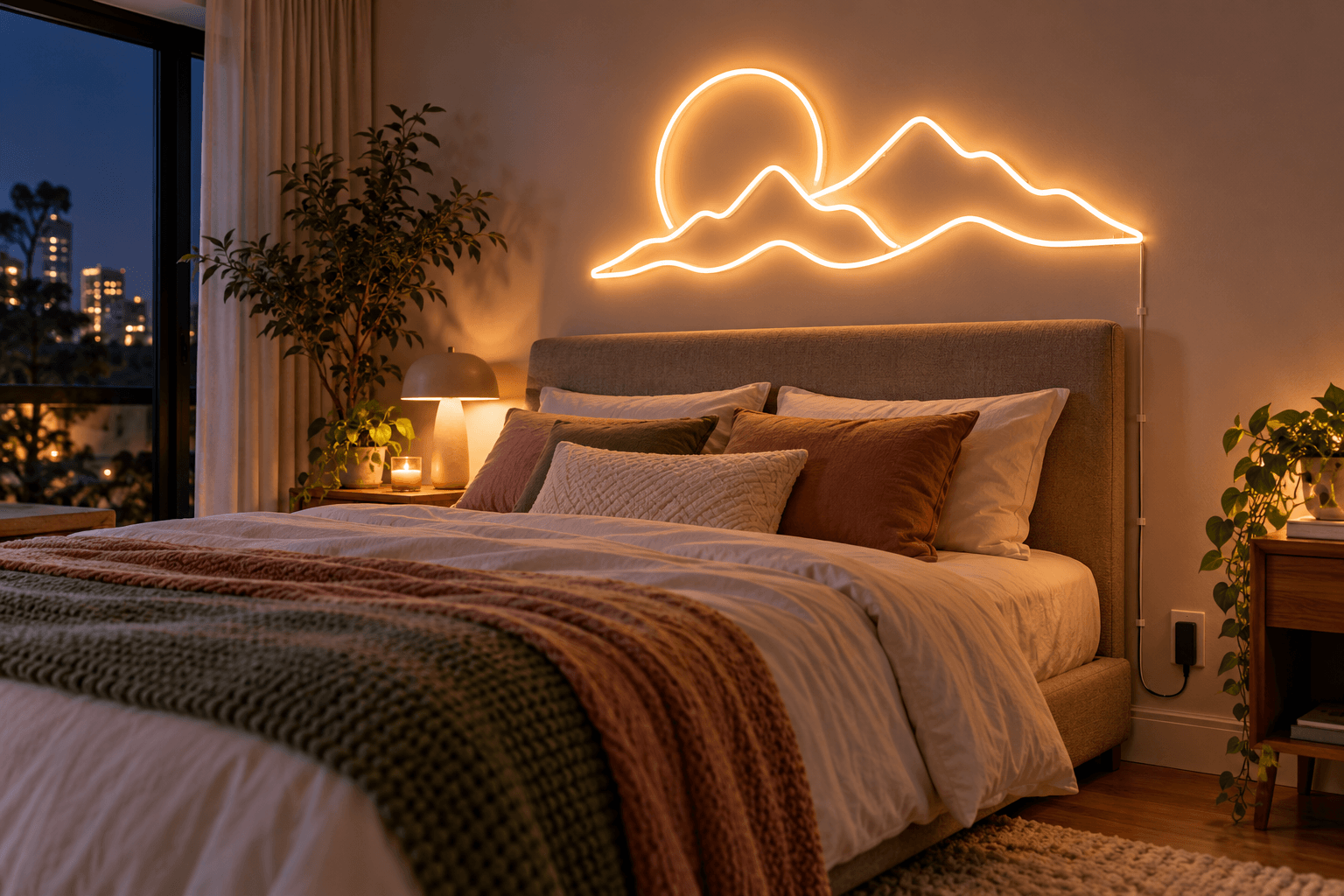
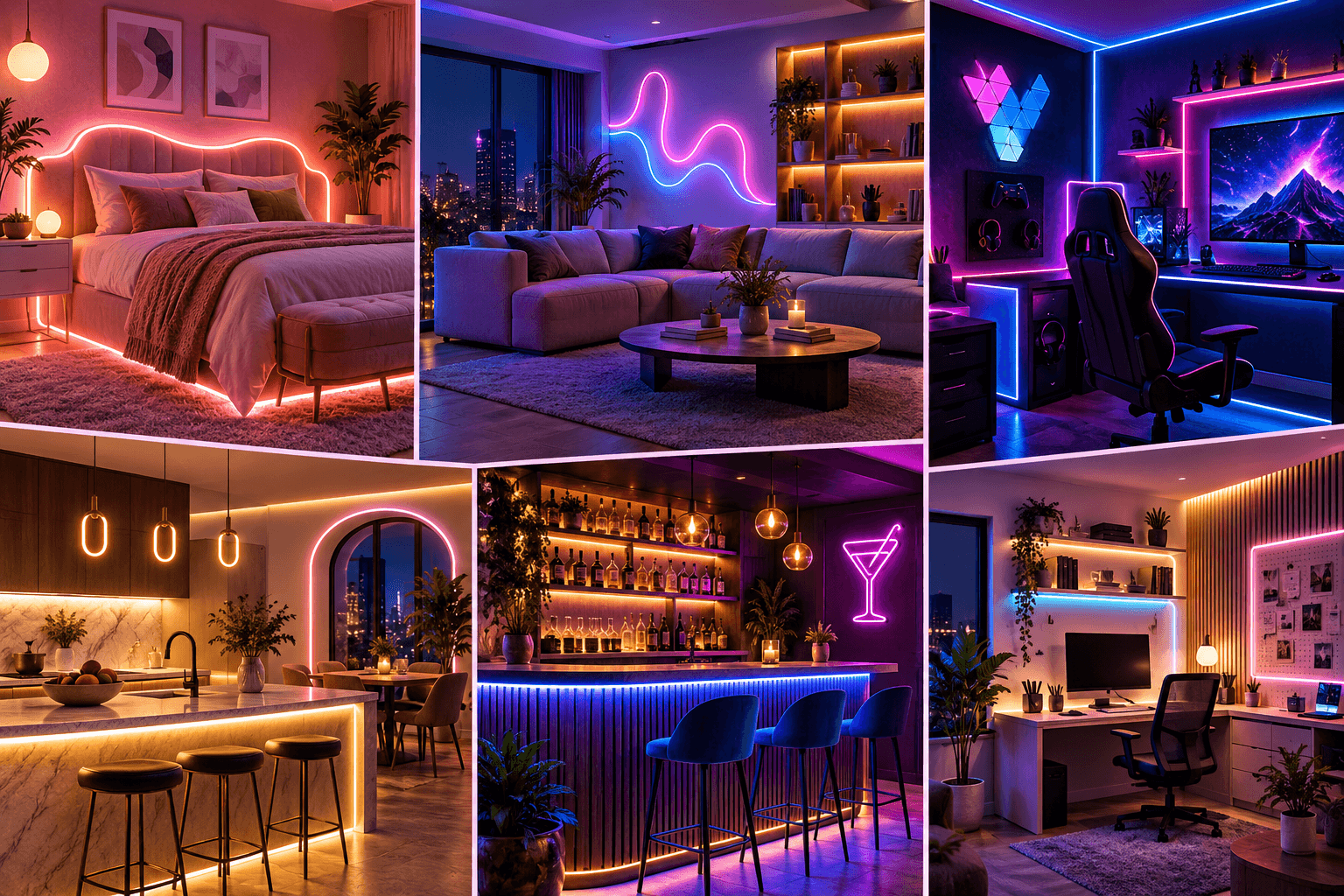
That construction makes LED neon especially useful for visible branded shapes rather than hidden backlighting. Businesses commonly use it for reception walls, storefront windows, photo areas, restaurants, salons, gyms, and event displays. For logo-led branding, review the logo neon signs options before approving a design.
Start With the Sign Format, Not the Technology
Before comparing wattage or lifespan, decide what the finished sign must look like. This avoids paying for a technology that does not match the visual job.

1. If customers should see glowing letters, a logo outline, icon, or decorative shape, start with LED neon.
2. If customers should see a large printed face that is evenly lit from behind, a fluorescent cabinet may still be suitable.
3. If you already own a lightbox cabinet, price the cost of maintaining it against the cost of converting or replacing it.
4. If the sign must be moved, hung on an event wall, or mounted on a lightweight interior surface, consider overall sign weight and installation method.
Brightness and Visibility: Which One Is Easier to See?
Neither technology is automatically brighter. Visibility depends on sign size, wattage, color, placement, viewing distance, background contrast, surrounding light, and whether the message is made from glowing lines or a printed face.
|
Viewing Situation |
Better Starting Point |
Why |
|
Dark interior or evening storefront |
LED neon |
Concentrated illuminated lines can stand out strongly against a contrasting background. |
|
Large printed panel viewed in daylight |
Fluorescent cabinet |
The printed face remains the main source of readability, even when internal lighting is less noticeable. |
|
Logo or decorative brand feature |
LED neon |
The glowing shape itself becomes the design. |
|
Directory or menu with many lines of information |
Fluorescent/backlit panel |
A broad lit face can carry more printed information than flexible tubing. |
Do not judge sign size only by the wall width. Measure the normal viewing distance and confirm that lettering remains readable from the customer’s real viewpoint. The guide on what size neon sign you should choose explains the sizing decision in more detail.
Running Cost: Compare Watts, Hours, and Electricity Rate
LED lighting generally uses less electricity than fluorescent lighting for comparable illumination, but the actual operating cost comes from the specific sign you buy. A large LED sign can still use more power than a small fluorescent cabinet, so compare the wattage on supplier specifications.
|
Simple electricity formula: Wattage ÷ 1,000 × operating hours per day = kilowatt-hours per day. Multiply that result by your electricity rate to estimate daily cost. |
Example from the original draft: a 60-watt sign operating for 10 hours uses 0.6 kWh per day. Use the same calculation for every quote so the comparison is based on the actual products, not general assumptions.
Purchase Price Is Only Part of the Cost
For business signage, compare total ownership cost rather than the first invoice alone. Ask each supplier for enough information to estimate the cost over the period you expect to use the sign.
· Initial sign price
· Installation or mounting cost
· Electricity use based on rated wattage
· Expected replacement parts
· Access cost if the sign is mounted high or inside a cabinet
· Warranty coverage for power supplies, controllers, lamps, or drivers
· Cost of downtime if the sign is business-critical
For custom LED neon, the price can also change with size, design complexity, color count, backboard style, outdoor construction, and accessories. See what affects custom neon sign cost before comparing quotes.
Lifespan and Maintenance: What Will You Replace?
Quality LED neon products are commonly rated for roughly 30,000 to 50,000 operating hours or more. Fluorescent tubes commonly fall around 10,000 to 30,000 hours, depending on lamp type, ballast, switching frequency, temperature, and operating conditions. Rated life is not a guarantee of zero maintenance.
|
Maintenance Item |
LED Neon |
Fluorescent |
|
Light source behavior |
May gradually dim; individual sections can fail |
May flicker, darken at ends, or stop working |
|
Power component |
Adapter, driver, or controller may need replacement |
Ballast may fail or buzz |
|
Routine access |
Usually focused on power components or damaged sections |
Cabinet access needed for tube and ballast service |
|
End-of-life handling |
Normal electronic/electrical waste rules apply to components |
Fluorescent lamps contain mercury and need proper recycling |
Design Flexibility: Text, Logos, and Custom Shapes
LED neon has a clear advantage when the illuminated shape itself is part of the brand experience. Flexible tubing can follow curves, letterforms, icons, and simplified logos without hiding the light source behind a box.
· Business names and short phrases
· Simplified company logos
· Open-style line art and icons
· Photo walls and branded backgrounds
· Event signs that may be moved or rehung
· Interior feature walls where a deep cabinet would look bulky
If you want to build a sign around your own text or artwork, use the custom neon sign creator or upload artwork through the design process. For a broader look at available formats, see the types of neon signs guide.
Best Choice by Business Use Case
|
Use Case |
Likely Better Fit |
What to Check |
|
Reception or branded interior wall |
LED neon |
Logo simplification, viewing distance, wall finish, dimming needs |
|
Restaurant photo wall or bar feature |
LED neon |
Color, glare, background contrast, cleaning access |
|
Gym entrance or studio wall |
LED neon |
Size, mounting, operating hours, visibility from entrance |
|
Salon or beauty studio |
LED neon |
Brand color, photo visibility, wall placement |
|
Event backdrop |
LED neon |
Portability, mounting method, cable routing, transport |
|
Large rectangular storefront lightbox |
Fluorescent may still fit |
Cabinet condition, replacement access, power use, printed face condition |
|
Directory or menu panel |
Fluorescent/backlit panel |
Even illumination, service access, printed information density |
For category-specific ideas, NeonChamp also has dedicated pages for restaurant neon signs, gym neon signs, and hair salon neon signs.
Already Have a Fluorescent Sign Cabinet? Do This Before Replacing It
A working cabinet changes the economics. Reusing it may cost less in the short term than replacing the full sign. Before deciding, inspect the cabinet and get two comparable quotes: one for fluorescent maintenance and one for conversion or replacement.
· Check the cabinet structure, face, seals, wiring, sockets, and ballast condition.
· Confirm how many tubes and ballasts may need replacement now or soon.
· Compare the current wattage with any proposed replacement.
· Ask whether the replacement preserves the existing sign face or requires new graphics.
· Include labor and lift/equipment access if the sign is mounted high.
· Check local requirements for lamp disposal and recycling.
Outdoor and Storefront Use: Weather Rating Matters More Than the Light Source
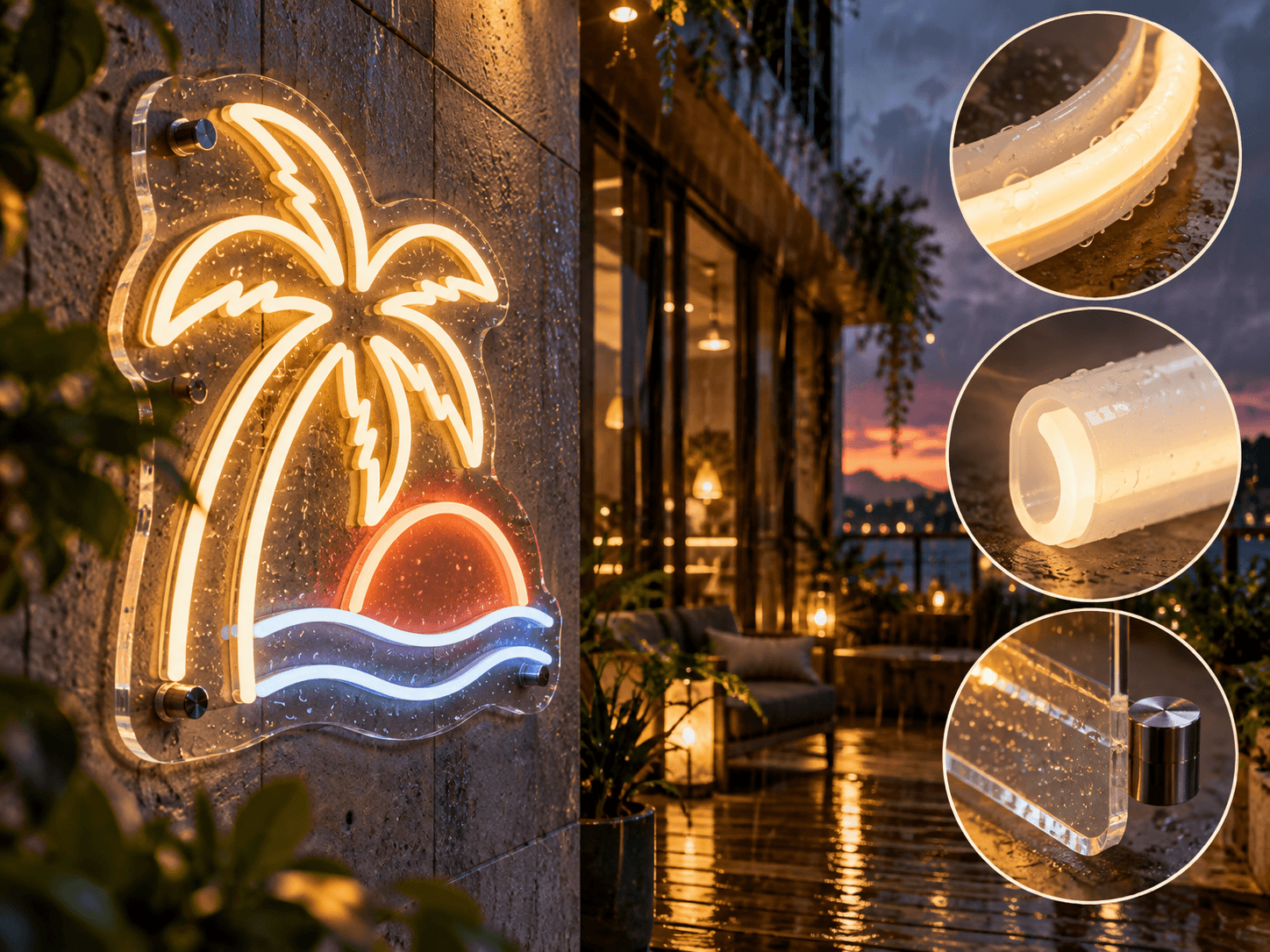
Outdoor signs need suitable weather-resistant wiring, connectors, enclosures, power components, mounting hardware, and installation methods regardless of whether the source is LED or fluorescent. Do not assume an indoor sign can be moved outside because the light itself appears sealed.
· Ask for the exact indoor/outdoor rating of the complete sign, not just the LED tubing or lamp.
· Confirm exposure to rain, sun, wind, humidity, and temperature range.
· Check mounting hardware and the surface that will support the sign.
· Confirm local sign rules, property approvals, and electrical requirements.
What to Ask Before You Buy
Use the same questions for every supplier so your quotes are easier to compare.
· What is the finished sign format: exposed LED tubing, printed lightbox, channel letters, or another construction?
· What are the exact width, height, depth, and weight?
· What is the rated wattage?
· What is the expected operating life of the light source?
· Which power components are replaceable?
· What warranty applies to the sign and electrical parts?
· Is the complete sign rated for the intended indoor or outdoor location?
· What mounting hardware is included?
· How should the sign be cleaned and serviced?
· What happens if one section fails?
· Are replacement adapters, drivers, ballasts, or tubes readily available?
· What is included in the quoted price: proof, revisions, hardware, dimmer, remote, production, and shipping?
For a broader pre-order review, use the custom neon sign buying checklist and the where to buy neon signs buyer checklist.
Which Should You Choose?
Choose LED neon if you want custom lettering, exposed logos, flexible shapes, branded interiors, long operating hours, easier portability, or lower expected energy use.
Choose fluorescent signage if you have a serviceable existing cabinet or need broad, even backlighting behind a large printed panel, directory, or menu.
Compare actual product specifications before committing. The technology label alone does not tell you which sign will be cheaper, brighter, or easier to maintain in your specific installation.
FAQs
Is LED neon brighter than fluorescent signage?
Neither is always brighter. LED neon creates concentrated illuminated lines, whereas fluorescent lamps spread light across a broad sign face. Visibility depends on wattage, size, contrast, placement, viewing distance, and surrounding light.
Which lasts longer: LED neon or fluorescent signs?
Quality LED neon is commonly rated around 30,000 to 50,000 operating hours or more. Many fluorescent tubes are commonly rated around 10,000 to 30,000 hours. Actual service life depends on product quality, switching frequency, heat, weather exposure, power components, and operating conditions.
Is fluorescent signage cheaper than LED neon?
It can be cheaper when a usable cabinet already exists. A new custom LED neon sign can cost more upfront, but electricity use and maintenance may be lower over time. Compare total ownership cost rather than purchase price alone.
Can fluorescent signs be converted to LED?
Many sign cabinets can be converted, but the best approach depends on the cabinet condition, sign face, wiring, dimensions, access, and local electrical requirements. Get a conversion quote and compare it with the cost of maintaining the existing fluorescent system.
Which is better for a business logo?
LED neon is usually the better fit when you want the logo itself to appear as glowing lines or outlines. Highly detailed logos may need simplification before production.
Which is better for a storefront lightbox?
If the goal is to illuminate a large printed panel evenly, a fluorescent cabinet may still work well, especially if the existing cabinet is in good condition. For a new installation, compare fluorescent maintenance with LED conversion or a different sign format.
Are fluorescent signs harder to maintain?<
Get 25% OFF on All ProductsCode:NEON25View Offers!
Neon Collection50% OFF